How to Invoice Quarterly Pest Control Treatments: Recurring Invoicing for Residential and Commercial
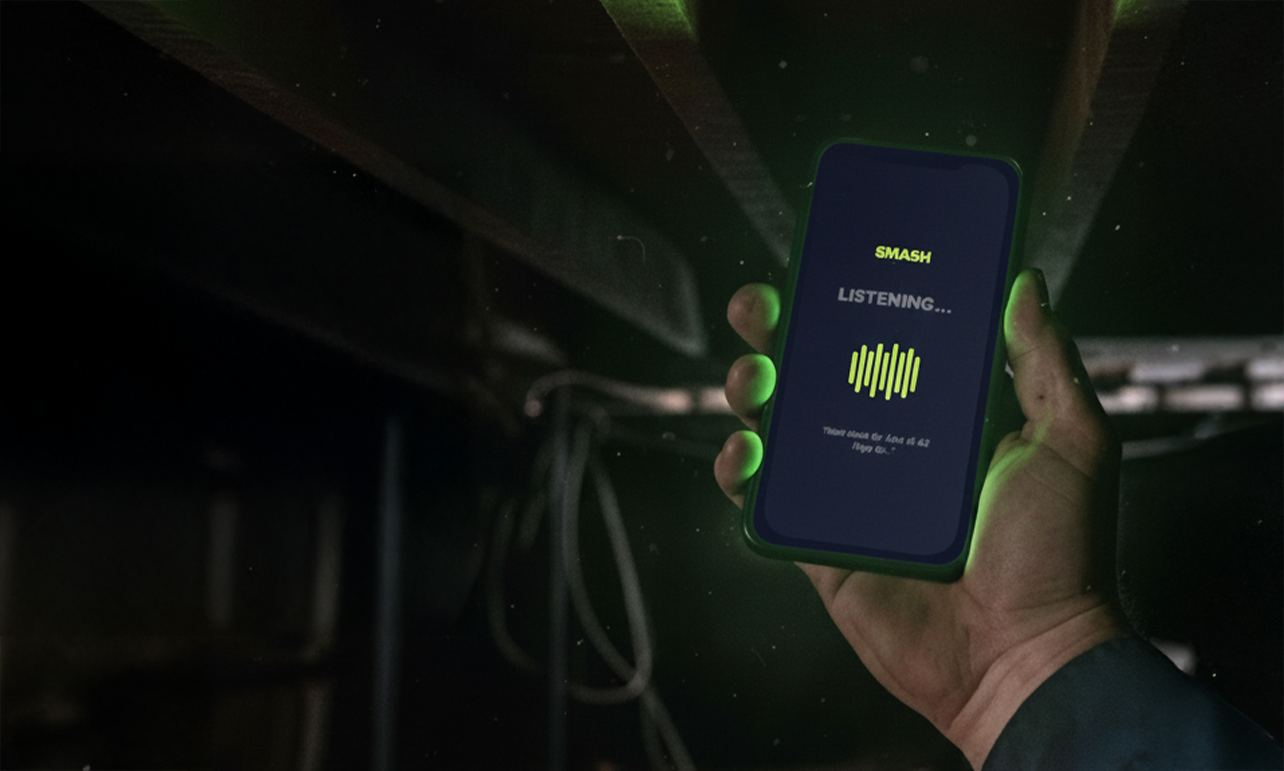
Choose your hands-free workspace
On your laptop / desktop
Copying numbers from client emails or fumbling with manual dashboards?
Get SMASH for Chrome
Build and push line-itemed invoices from Gmail in under 20 seconds.
Add to Chrome — FreeIn your truck / on-site
Dirty hands, cracked screen, no patience for typing on glass?
Get SMASH for mobile
Talk for 30 seconds. Drive away with the invoice already sent.
Download the iOS appGlobal compliance regions
US: Sales tax, QuickBooks sync · UK: VAT-compliant invoices · CA / NZ / AU: Local tax rules, Xero integration
Quarterly pest control treatments should be invoiced consistently — same format, same treatment scope, same chemical notes — so clients can match the invoice to their service agreement and pay without questions. The biggest invoicing problems for recurring pest jobs are rate drift, inconsistent chemical notes and delayed invoicing after the visit.
This guide covers how pest control operators should structure quarterly and annual invoices for residential and commercial clients, and how to make recurring invoicing faster without losing the detail that commercial clients need.
What quarterly pest control invoicing needs to do
Recurring pest control invoices serve two jobs:
- Trigger payment. The client sees a clear invoice for work completed and pays it.
- Document compliance. Commercial clients, strata companies and property managers need product records, treatment dates and licence numbers for their own compliance records.
A quarterly invoice that fails at either job creates problems — slow payment or compliance questions that slow payment down further.
Standard quarterly treatment invoice structure
Use this structure for each quarterly visit:
- Your business name, ABN and pest management licence number.
- Customer name, property address and account reference if applicable.
- Invoice number, invoice date and payment due date.
- Service title: "Quarterly pest control treatment — [quarter, e.g. Q1 2026]".
- Treatment scope — which zones were treated.
- Chemical products used — name and quantity.
- Labour hours or fixed visit rate.
- GST if registered.
- Payment link or payment instructions.
The treatment scope and chemical notes should match what was actually done, not just a copy of the previous quarter. SMASH makes this easy because you start from the last invoice and change only what changed.
Setting a consistent quarterly rate
Rate drift is one of the most common problems with recurring pest invoices. The rate in Q1 is slightly different from Q3 because it was adjusted manually. The client notices and asks questions.
Before the quarterly schedule starts, agree on a rate and save it. Common quarterly pricing structures:
- Fixed per-visit rate for residential properties.
- Fixed per-zone or per-unit rate for commercial or strata.
- Annual program rate divided by four, invoiced quarterly.
If the rate changes — due to chemical cost increases or scope changes — issue a revised agreement before changing the invoice. Do not just quietly change the line item and hope the client does not notice.
Commercial quarterly invoicing
Commercial clients — restaurants, warehouses, office buildings, food production facilities — often have more complex quarterly invoicing needs:
- Multiple treatment zones with zone identifiers.
- Product names and active ingredients for food safety compliance.
- Technician name and licence number on every invoice.
- Reference to the service agreement or contract number.
- 30-day payment terms rather than 7-day.
Set up a customer profile in your invoicing system with the commercial client's preferred invoice format, terms and zone structure. Then repeat from that template each quarter.
For the Chrome extension, Gmail enquiries or renewal reminders from commercial clients can be turned into quotes or invoice reminders without leaving the inbox.
Residential quarterly invoicing
Residential clients are simpler but equally important for cashflow:
- Single property, standard treatment scope.
- Fixed quarterly rate.
- Short payment terms — 7 days is normal.
- Treatment confirmation is often enough (no zone breakdown needed).
The invoice should still name the chemical products used and note any differences from the standard treatment — for example, "roof void treated this quarter due to cockroach activity in ceiling space."
See pest control invoice template Australia for a full breakdown of what residential invoices should include.
Follow-up invoicing between quarterly visits
Some properties need a follow-up visit between scheduled quarterly treatments. Follow-up invoices should:
- Be clearly labelled as a follow-up, not a full quarterly treatment.
- Use the lower follow-up rate.
- Note which chemical or treatment was applied.
- Reference the most recent quarterly treatment date.
Follow-up — cockroach re-treatment, kitchen area. 1 hour follow-up rate. Gel bait reapplication. Previous quarterly treatment: [date].
This context helps the client understand why they are receiving a second invoice in the same quarter.
Invoice immediately after the visit
Recurring pest control visits are easy to deprioritise for invoicing because the client expects the invoice and the payment terms are known. But delayed invoicing on quarterly work still costs money.
A quarterly treatment done in March that is invoiced in April means payment in May. Invoiced in March, it means payment in March or early April.
With voice invoicing, you can describe the treatment and send the invoice from the ute before driving to the next property:
"Quarterly treatment at the Mosman property. Interior spray, exterior perimeter, roof void dusting. Bifenthrin and Permethrin dust. Two hours, quarterly residential rate."
SMASH for pest control operators turns that into a ready-to-send invoice with the customer, property and rate already saved from last quarter.
Annual contracts invoiced quarterly
Some pest control operators invoice annual contracts quarterly — the customer signs up for annual pest control and pays in four instalments. Invoice each instalment at the start of the quarter or on the treatment date, referencing the annual contract:
Q1 instalment — Annual pest control program. [Property address].
Quarterly treatment completed [date].
Reference: Annual program agreement [number].
Include the treatment notes as usual. Even on a contract invoice, the chemical and treatment detail matters.
GST on quarterly pest control invoices
If you are GST-registered, GST applies to every quarterly invoice. Show it the same way every quarter — subtotal, GST, total — so the format is familiar to accounts teams and the invoice is approved on first review.
The free invoice template shows the correct GST tax invoice structure. The free invoice generator helps create a compliant manual invoice.
Accounting sync for recurring invoices
Quarterly invoices for commercial clients add up — four invoices per year, multiplied by your commercial account list. Starter and higher plans of SMASH sync invoices to Xero or QuickBooks without double-handling, so every quarterly invoice lands in your books the day it is sent. See pricing.
Bottom line
Quarterly pest control invoices should be consistent, detailed and sent on the day of the treatment. Set rates before the program starts, note chemicals on every visit, and use a saved customer template to repeat the invoice with only the date and treatment notes changed.
Frequently Asked Questions
How should pest control operators invoice quarterly treatments?
Use a consistent invoice format with the treatment date, scope, chemical products and quantities, and agreed rate. Start from the last invoice for that client and update only the date, notes and any changed items.
What do commercial pest control clients need on quarterly invoices?
Commercial clients typically need treatment zone identifiers, chemical product names and active ingredients, the technician name and licence number, a reference to the service agreement, and 30-day payment terms.
How should follow-up visits be invoiced between quarterly treatments?
Label follow-up invoices clearly, use the lower follow-up rate, note the chemical applied, and reference the most recent quarterly treatment date so the client understands it is an additional visit, not a full quarterly treatment.
Can SMASH repeat quarterly pest control invoices?
Yes. SMASH saves each customer, property, treatment scope and rate. Repeat the last invoice for that client, update the treatment date and any chemical or scope changes, and send it while the details are still accurate.