The Mobile Mechanic's Toolkit: Why Voice-to-Invoice is a Game Changer
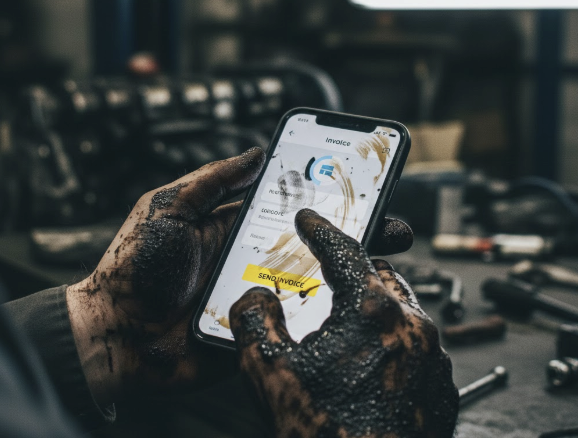
If you're a mobile mechanic, your toolkit is your life. You've got the scans, the wrenches, the jacks, and the diagnostic gear. But there is one tool in your van that is probably slowing you down more than a seized bolt: Your admin system.
Most mechanics treat invoicing as something they do "later." You finish the job, toss the old parts in the bin, and drive to the next one. By the time you get home, you're trying to remember if that Hilux took 5.5 or 6 litres of oil, and if you used the premium filter or the standard one.
In 2026, the most successful mobile techs aren't just better at fixing cars; they are better at capturing the job. Here is why "Voice-to-Invoice" is becoming the standard for the trade.
The Problem with "Inventory Friction"
Mechanics have a unique problem compared to other tradies: Inventory. Every job involves small parts, fluids, and shop supplies. If you aren't using an invoice inventory software, you are literally leaking money.
- You forget to charge for the $12 sump plug washer.
- You lose track of how much brake fluid you actually used.
- You "round down" your labor because you didn't track the extra 20 minutes it took to clear those stubborn codes.
Over a year, these "small leaks" can add up to $5,000–$10,000 in lost profit. This is the Paperwork Tax in action.
Why Voice Beats Typing (Every Single Time)
Typing an inventory list on a phone screen is a nightmare when you're under a car. But talking? Talking is natural.
With Smash Invoices, you use voice to build your parts list in real-time:
- "Add 6 litres of 0W-20 fully synthetic."
- "Add genuine oil filter and cabin filter."
- "Add scan tool diagnostic fee."
Because you're doing it as you work, the accuracy is 100%. You don't have to "remember" anything. The app handles the inventory tracking and the pricing, ensuring your margins are protected. Learn the 60-second invoice workflow.
3 Must-Have "Digital Tools" for Your Van
1. The Hands-Free Invoice
When you're mobile, you don't have a desk. You need a system that works via Bluetooth or your phone's microphone. Being able to generate an invoice without even touching your phone (until you hit send) is the ultimate workflow for a mechanic with grease on his hands.
Read more about why this matters: Grease on the Screen: Why Tradies Are Finally Ditching the Paperwork. Also learn why your hands were made for tools, not tiny screens.
2. Digital Service History
When you send a professional voice-captured invoice, it acts as a digital service record for your customer. They can see exactly what oil was used and what parts were replaced. This transparency is why customers stick with mobile mechanics for the long haul.
3. Immediate "Tap to Pay"
Don't let the customer "transfer the money later." Once you've voiced the invoice and sent it, use a mobile payment link or a tap-to-pay feature. Getting paid before the car is back on the ground is the secret to a stress-free business.
Learn the payment strategy: How I Get Paid in 2 Days (Not 30): A Tradie's 48-Hour Rule
The Verdict
The era of the "Paper Invoice Book" is over. It's messy, it's unprofessional, and it's costing you money in forgotten parts.
If you want to run a modern, profitable mobile mechanic business, you need a digital toolkit that matches the quality of your physical tools. It's time to switch to a system that listens. Discover why AI voice invoicing is the 2026 standard and the ultimate tech stack for mobile pros.
The Mechanic's "End-of-Job" Routine
- Voice-log parts while the hood is still open.
- State the odometer reading clearly into the app.
- Generate the invoice as you're washing your hands.
- Send and collect payment before you hand back the keys.
Stop Admin Sundays and get your weekends back.