Cleaning Invoice Template Australia: What to Include
If you run a cleaning business in Australia, your invoice should show who you are, who the client is, the date, the cleaning services provided, the amount due, payment terms, and GST details if you are registered. For weekly domestic cleans, end-of-lease cleans and commercial cleaning jobs, the best template is simple: clear line items, one due date, and a payment link the client can use immediately.
This guide gives cleaners a practical invoice structure, then shows how to turn that same structure into a repeatable workflow with SMASH for cleaners, the free invoice template, and the free invoice generator.
The basic cleaning invoice format
A cleaning invoice in Australia should include:
- Your business name, ABN if you have one, email and phone number.
- The client name, billing address and service address if different.
- Invoice number, invoice date and payment due date.
- A short job title such as "Weekly house clean" or "End-of-lease clean".
- Line items for each service, including quantity, rate and total.
- GST shown separately if you are registered for GST.
- Payment instructions or a Pay Now link.
For example, a regular domestic clean might use one line item:
Weekly house clean, 2 bathrooms, kitchen, vacuum and mop - fixed weekly rate.
An end-of-lease clean should usually be more detailed:
End-of-lease clean, oven clean, internal windows, bathroom deep clean, carpet steam add-on.
The goal is not to make the invoice long. The goal is to make it obvious what the client is paying for.
Template for domestic cleaners
Use this structure for homes, apartments and regular weekly or fortnightly cleaning:
- Job title: Weekly clean, fortnightly clean, deep clean or end-of-lease clean.
- Service address: The property cleaned.
- Service line items: Standard clean, bathrooms, kitchen, oven, windows, carpet steam or add-ons.
- Pricing method: Fixed rate, hourly rate or package price.
- Due date: Usually on receipt, 7 days, or the agreed client terms.
Domestic clients often scan invoices quickly on their phone. Keep the language plain and avoid internal shorthand. "Oven clean add-on" is better than "OVN".
Template for commercial cleaning
Commercial cleaning invoices need more detail because they are often approved by an office manager, property manager or accounts team.
Include:
- Site name and service address.
- Service period, such as "1-30 June 2026".
- Frequency, such as twice weekly or weekly after-hours clean.
- Scope, such as office clean, bathrooms, bins, kitchen, floors, windows or consumables.
- Purchase order number if the client requires one.
- Payment terms, such as 7, 14 or 30 days.
If you invoice multiple sites for the same client, do not merge them into one vague line. Separate each site so their accounts team can approve the invoice without emailing you for clarification.
Common cleaner line items
Most cleaning businesses should save these as repeatable services:
- Standard house clean
- Deep clean
- End-of-lease clean
- Oven clean
- Internal windows
- External windows
- Carpet steam cleaning
- Commercial office clean
- After-hours commercial clean
- Consumables or supplies
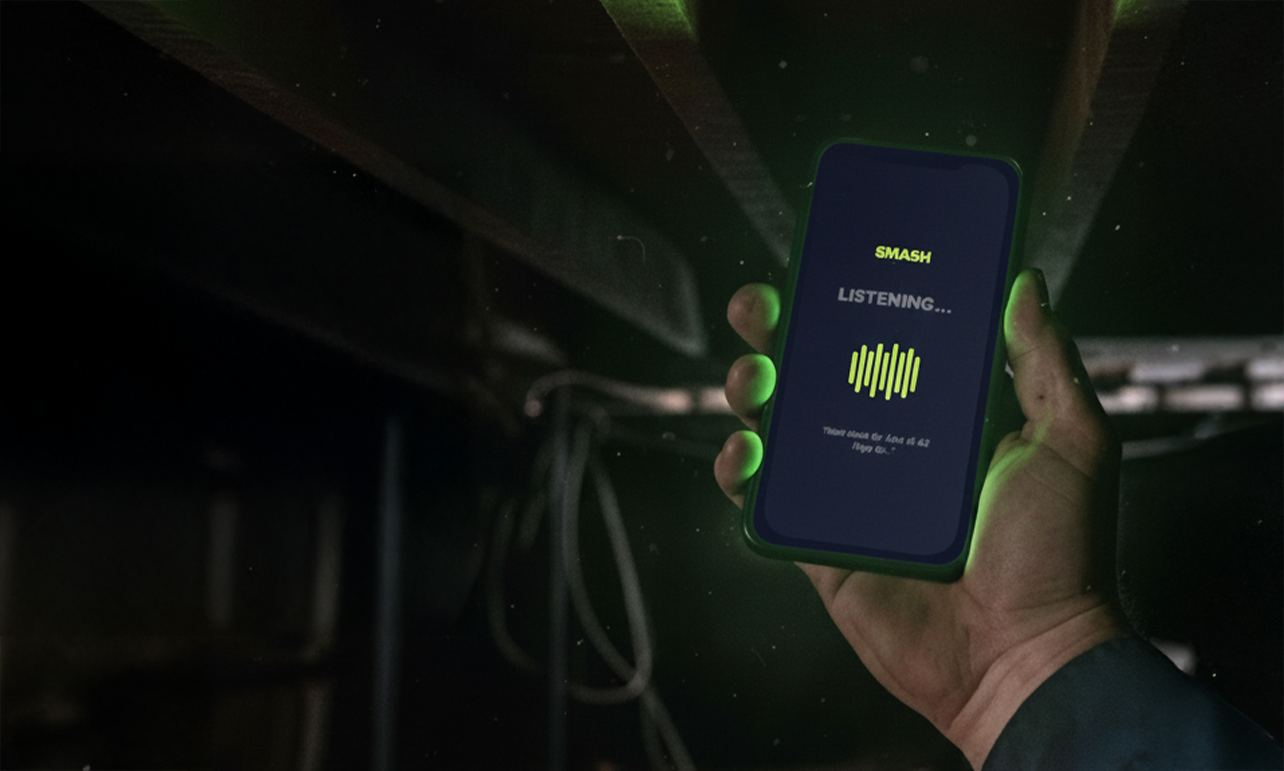
With voice invoicing, you can say the job in plain English: "Repeat the Southbank office clean, four hours, add internal windows this week." SMASH turns that into invoice line items instead of making you type them after the last property.
GST and tax invoice notes
If your Australian business is registered for GST, your invoice should be a tax invoice and show GST clearly. If you are not registered for GST, do not add GST. Your invoice can still look professional without GST, as long as the totals and business details are clear.
The free invoice generator helps you build a clean invoice manually. SMASH goes further by remembering your clients, services and pricing so the next invoice takes less than a minute.
How to make the template repeatable
A template is useful once. A repeatable workflow is useful every week.
For regular clients, save:
- The client and service address.
- Their usual service package.
- Their fixed rate or hourly rate.
- Their payment terms.
- Their common add-ons.
Then each week you only change what is different. If the clean was the same, repeat the last invoice. If there was an oven clean, window clean or extra hour, add it before sending.
Cleaner workflow with SMASH
SMASH is built for self-employed service workers who do not want to do admin at night. For cleaners, that means:
- Repeat weekly invoices from the last clean.
- Quote Gmail enquiries with the Chrome extension.
- Use fixed-rate services for standard cleans, deep cleans and end-of-lease packages.
- Send tax-compliant invoices with payment links.
- Start on the Free plan with 5 invoices per month, then move to Starter pricing for unlimited invoices and accounting sync.
If you are still copying a Word template every Friday, the template is not the real problem. The problem is that you are retyping work you already did last week.
Related cleaner tools
Use these if you want to build or compare a manual invoice:
- Invoice template for a simple layout.
- Invoice generator for a one-off invoice.
- Quote generator for new cleaning enquiries.
- SMASH for cleaners for the voice-first cleaner workflow.
Bottom line
A good cleaning invoice template is clear, specific and easy to pay. A better cleaning invoicing system remembers the template, repeats the client details, and lets you invoice before you load the van.
Frequently Asked Questions
What should a cleaning invoice include in Australia?
A cleaning invoice should include your business name, ABN if you have one, client details, invoice date, due date, service description, line items, total, payment terms and GST if your business is GST-registered.
Do cleaners need to charge GST?
Only charge GST if your business is registered for GST. In Australia, GST registration is generally required once turnover reaches the registration threshold. If you are not registered, do not add GST to the invoice.
Can I use the same invoice template for weekly cleaning clients?
Yes. Weekly and fortnightly clients are ideal for repeat invoices. Save the client, service address, normal package and price, then repeat the previous invoice and change only the add-ons or hours that differ.
What is the fastest way for cleaners to invoice?
The fastest workflow is to create the invoice immediately after the job, while the service details are fresh. SMASH lets cleaners repeat prior invoices or describe the clean by voice and send the invoice in under 60 seconds.