Electrician Invoice Template Australia: Licence, Labour, Materials and GST
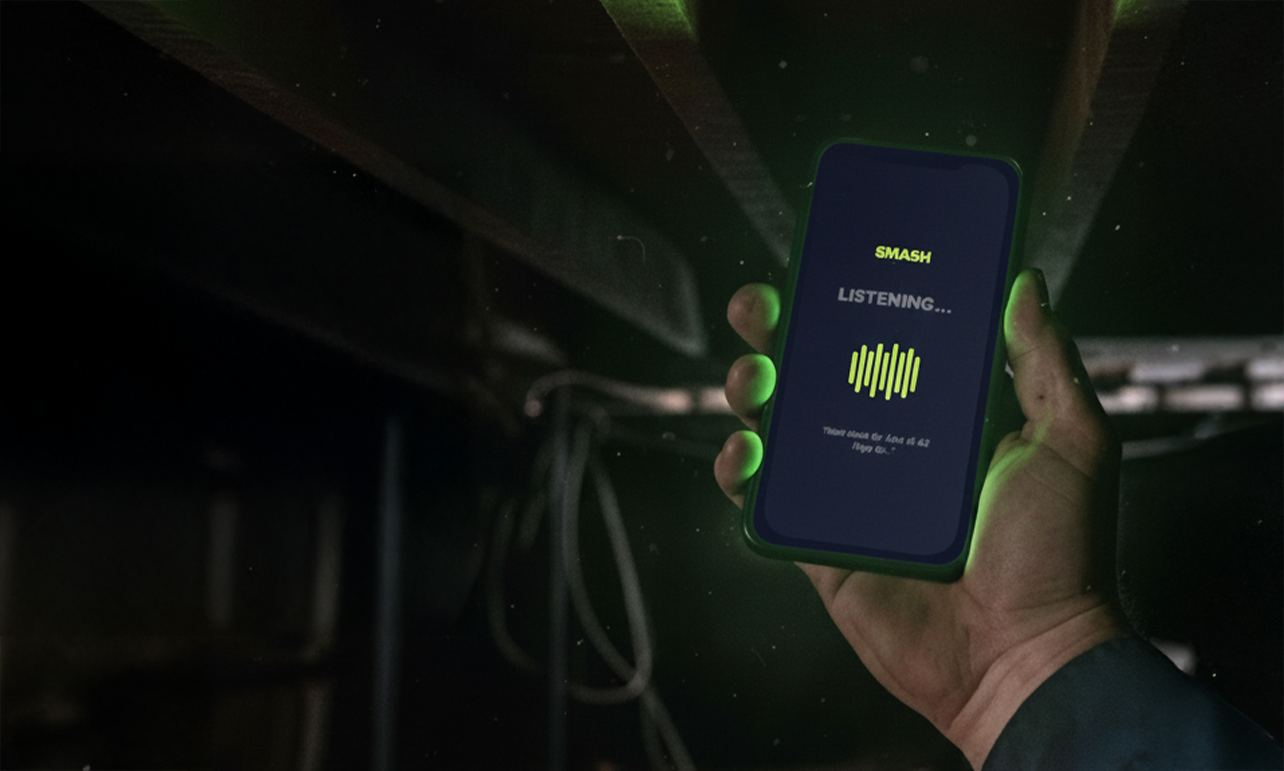
An electrician invoice in Australia should include your business name, ABN, electrical contractor licence number, customer details, job address, invoice date, payment due date, labour, itemised materials, GST if registered, and a clear total. The best electrician invoice template separates call-out fees, fault-finding, labour and parts so customers can see exactly what they are paying for.
This guide gives electricians a practical invoice structure, then shows how to turn that structure into a faster workflow with SMASH for electricians, the free invoice template, and the free invoice generator.
The basic electrician invoice format
Use this structure for residential, commercial and maintenance electrical jobs:
- Your business name, ABN, electrical contractor licence number, email and phone number.
- Customer name, billing address and job address if different.
- Invoice number, invoice date and payment due date.
- Job title, such as "fault-finding and repair" or "smoke alarm installation".
- Call-out fee, first-hour minimum or diagnostic fee if you charge one.
- Labour line items with hours, rate and total.
- Materials line items with quantity, unit price and markup if applicable.
- GST shown separately if your business is registered.
- Payment link or payment instructions.
The invoice does not need to be long. It needs to make approval obvious.
Example electrical invoice line items
For a fault-finding job:
Standard call-out fee - attendance and diagnosis.
Labour - locate intermittent power fault, 1.5 hours.
Replacement breaker, junction box and consumables.
For a smoke alarm install:
Supply and install six photoelectric smoke alarms.
Labour - installation, test and compliance check.
For a switchboard upgrade:
Switchboard upgrade - 20-circuit board, RCDs, breakers and labelling.
Labour - remove old board, install and test replacement board.
Clear line items help customers and property managers approve the invoice without asking what "electrical work" means.
Materials electricians should itemise
Electrical jobs often lose margin through small parts. Save these as repeatable materials:
- TPS cable by metre.
- Conduit and fittings.
- Clips, saddles and junction boxes.
- GPOs, switches and plates.
- RCDs and circuit breakers.
- Smoke alarms.
- Downlights and drivers.
- Consumables and testing charges.
You do not need to list every screw, but you should not hide $80 of parts under a vague labour line. For broader setup, see materials pricing.
GST and licence notes
If your business is registered for GST, your invoice should show subtotal, GST and total clearly. If you are not registered, do not add GST.
Licensed electrical work should also be documented clearly. Licence and contractor number requirements can vary by state, so keep your invoice template aligned with your local rules.
The free invoice generator helps you create a manual invoice. SMASH goes further by remembering customers, rates, common materials and payment terms.
Quote before invoice
Many electrical jobs start as a quote request: a switchboard upgrade, fit-off, downlight install, smoke alarm package or fault repair. Use the free quote generator, or use the Chrome extension to turn a Gmail enquiry into a quote without leaving the inbox.
When the quote is approved, convert it into the invoice and add any changes from the job site. That keeps the final invoice tied to what the customer accepted.
Electrician workflow with SMASH
SMASH for electricians is built for the van and job-site workflow:
- Save call-out, hourly, commercial and after-hours rates.
- Save common electrical materials with your own prices or markup.
- Create quotes and invoices by voice.
- Convert approved quotes into invoices.
- Send invoices with payment links.
- Sync invoices to Xero or QuickBooks on Starter and higher plans.
For example, say:
"Fault-finding at Brunswick cafe. Standard call-out, one and a half hours labour, replace breaker and junction box, customer approved repair on site."
SMASH turns that into clear invoice lines instead of making you type from memory after the next job.
Related electrician resources
Start with these:
- SMASH for electricians
- Invoice template
- Invoice generator
- Quote generator
- Voice invoicing
- Chrome extension
- Pricing
The Free plan includes 5 invoices per month. Starter is $15/month for unlimited invoices plus accounting sync, which suits electricians who invoice every week.
Bottom line
A good electrician invoice template is clear, itemised and ready for payment. A better electrical invoicing system remembers your call-out fees, labour rates, materials and customer history so you can send the invoice before you leave the job site.
Frequently Asked Questions
What should an electrician invoice include in Australia?
An electrician invoice should include your business name, ABN, electrical contractor licence number, customer details, invoice date, job address, call-out fee if used, labour, itemised materials, total, payment terms and GST if registered.
Do electricians need to include a licence number on invoices?
Licensed electricians should include their licence or contractor number where required by state or territory rules. It also helps customers, property managers and builders confirm the work is properly documented.
Should electrical materials be itemised?
Yes. Itemising important materials helps customers approve the invoice and helps electricians recover the cost of cable, conduit, breakers, RCDs, GPOs, smoke alarms and consumables.
What is the fastest way for electricians to invoice?
The fastest workflow is to invoice immediately after the job while the details are fresh. SMASH lets electricians describe the job by voice and send a GST-ready invoice in under 60 seconds.